The Energy Landscape in the Democratic Republic of Congo
The Democratic Republic of Congo (DRC) is endowed with abundant natural resources, particularly in hydroelectric potential. The Grand Inga project, touted as one of the world's largest hydroelectric installations, aims to harness the Congo River's power. However, while the DRC's energy production is primarily centralized, a staggering 63 million Congolese still lack access to electricity.
Rural Electrification: A Critical Need
The DRC's rural areas remain disproportionately affected by energy poverty, with less than 20% of the rural population having access to the electrical grid. The lack of reliable electricity hampers local businesses, stifles economic growth, and curtails opportunities for education and healthcare improvements. This gap presents a critical investment opportunity in solar solutions, particularly off-grid systems and mini-grids, which offer a pathway to bridge this energy divide.
The Market Opportunity for Off-Grid Solar Solutions
- Growing Demand: With a population exceeding 90 million and an urbanizing demographic, the demand for energy in DRC is anticipated to rise in tandem with economic growth, projected at around 4.5% annually over the next decade.
- Investment Potential: The DRC's solar market is estimated to be worth $600 million, with significant growth expected as international investors and local entrepreneurs pursue decentralized energy solutions.
- Policy Support: The Congolese government has recognized the importance of renewable energy within its National Development Plan, emphasizing solar energy as a key strategy for achieving energy access.
Solar Innovations: Driving Rural Development
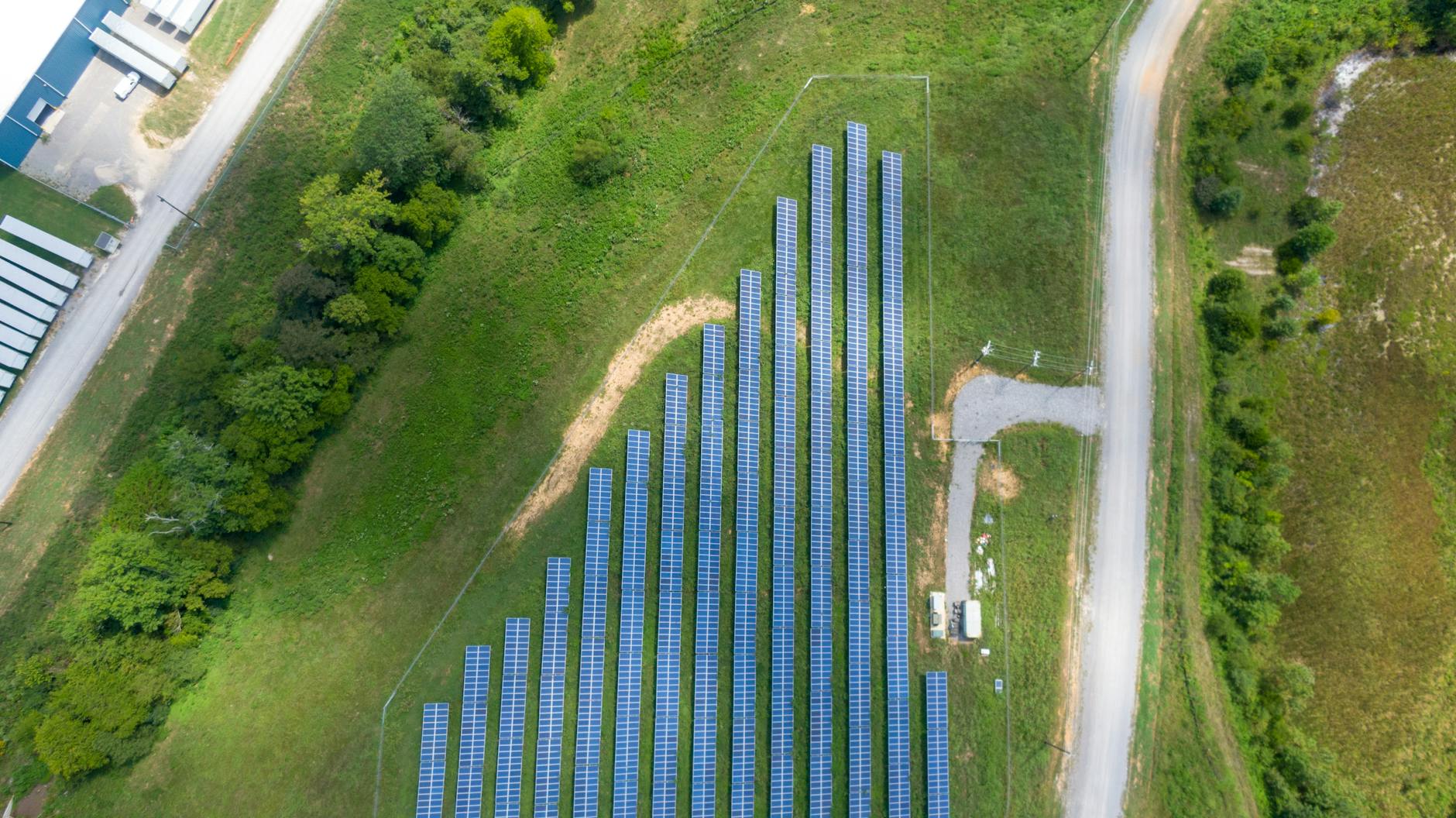
Solar technology continues to evolve, making it not only accessible but also affordable for rural communities. Mini-grids powered by solar energy can offer efficient service to local economies, supporting small businesses and enhancing productivity. Furthermore, innovations such as pay-as-you-go systems allow families to access solar energy without the burden of upfront costs, making this technology more inclusive.
Challenges to Overcome
However, the journey towards energy equity through solar solutions is not without challenges. Investment in infrastructure, regulatory frameworks, and awareness are pivotal to fostering a conducive environment for growth. Policymakers must prioritize infrastructure development, provide incentives for renewable investments, and establish clear regulations to attract private sector participation.
Collaboration and Partnerships
Robust public-private partnerships can significantly accelerate progress in rural electrification. Collaborative efforts between government, NGOs, and private companies can identify local needs, streamline installation efforts, and ensure sustainable maintenance of energy systems. Moreover, fostering community engagement and training initiatives can empower local populations to take ownership of energy solutions, thereby enhancing sustainability.
Outlook and Future of Solar Energy in DRC
The potential for solar energy in the DRC is vast, with a solar irradiation average of 5.2 kWh/m²/day, indicating strong viability for photovoltaic installations. As the global energy landscape shifts towards sustainability, international investors are increasingly looking to invest in developing markets like the DRC where renewable energy potential is untapped.
A Vision of Sustainable Business Growth
As businesses prioritize sustainability, there exists an enormous opportunity for companies to invest in solar energy solutions that not only cater to growing energy demands but also align with corporate social responsibility goals. By investing in solar solutions, businesses can play a pivotal role in creating job opportunities, fostering economic resilience, and ultimately aiding in the DRC's journey towards a sustainable energy future.
Conclusion
While the challenges are significant, the opportunities presented by solar energy solutions in the DRC are immense. By embracing off-grid solar solutions for rural electrification and supporting localized energy initiatives, the DRC can pave the way for economic growth, improved living standards, and a sustainable energy future. The time to invest is now, as the DRC moves toward unlocking its profound energy potential.