Introduction
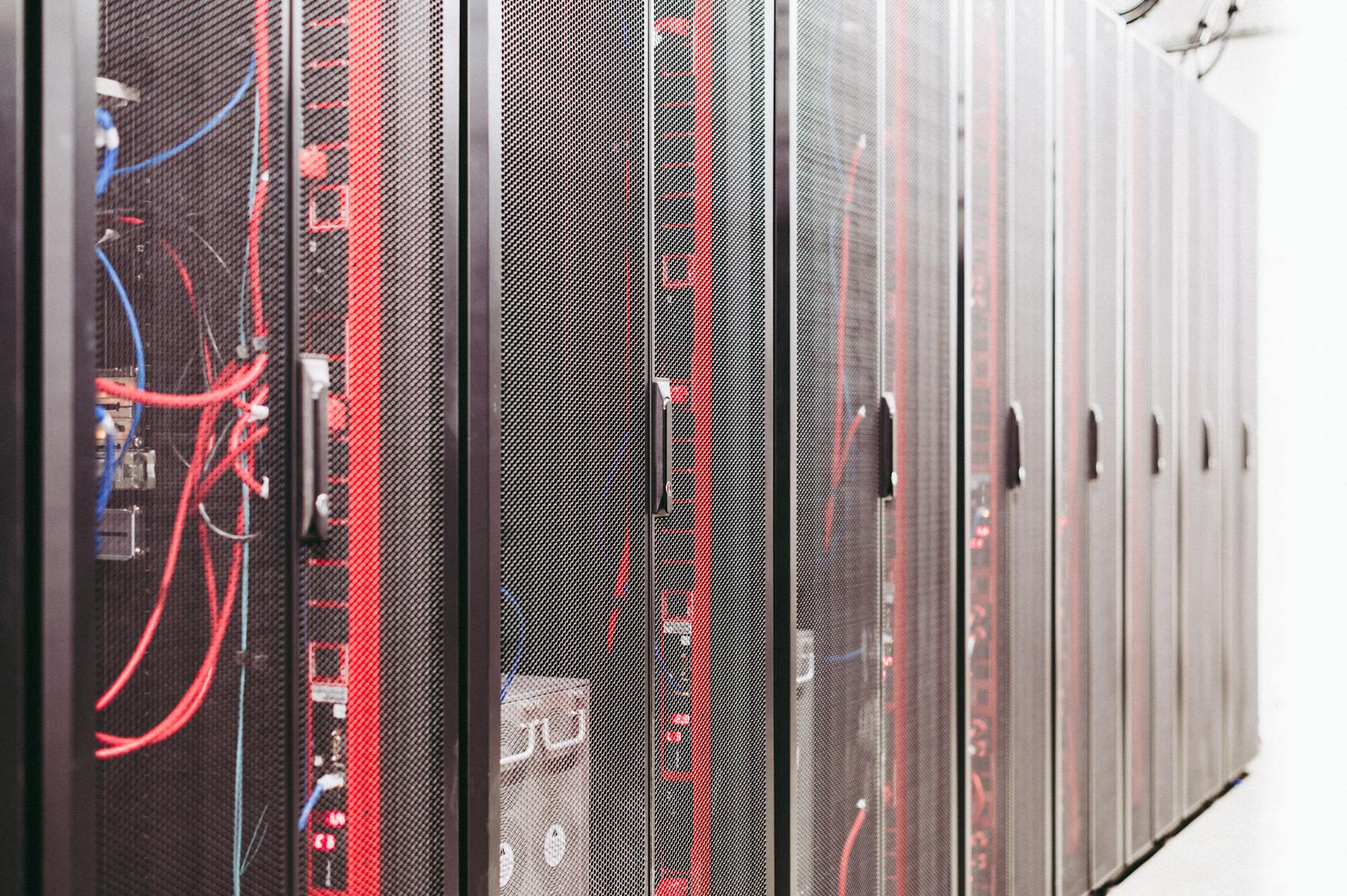
The Democratic Republic of Congo (DRC) stands on the precipice of a digital revolution, driven by an ambitious deployment of fiber optic infrastructure that promises to redefine its economic landscape. With internet penetration rates lagging behind global standards, the recent push towards enhanced connectivity reflects both the potential and resilience of the Congolese market.
Current State of Connectivity
As of 2023, only 18% of the DRC's population has access to the internet, a figure well below the African average of approximately 28%. However, the landscape is changing rapidly, as investments in fiber optics are projected to touch $1.2 billion by 2025. Major players, including international tech firms and local startups, are recognizing the DRC’s untapped market potential.
Key Players in Fiber Deployment
- Orange DRC: Increasing its fiber network to reach urban and rural areas.
- Airtel Africa: Launching new initiatives to expand fiber connectivity across the nation.
- Local Startups: Emerging fintech companies are leveraging improved digital infrastructure to offer innovative financial services.
Economic Impact of Digital Infrastructure
The expansion of digital infrastructure in DRC transcends mere connectivity; it is a catalyst for economic growth. Enhanced connectivity can lead to increased foreign direct investment (FDI), with projections estimating that each percentage point increase in internet penetration could boost GDP by up to 1.5% in developing countries.
Potential for Economic Diversification
Digital infrastructure enables diversification beyond traditional sectors like mining and agriculture. It opens doors for entrepreneurship in the tech sector, particularly in fintech, e-commerce, and digital services.
Growth of Fintech in DRC
Fintech companies are now at the forefront of DRC’s economic evolution. With a burgeoning young population, the appetite for mobile banking and digital financial services has surged. Notable players such as FINCA and Touch are leading the charge, providing services tailored to the local market. Recent statistics show that mobile money transactions in DRC have seen a staggering 150% increase since 2022.
Challenges to Overcome
Despite the positive outlook, several obstacles remain. The DRC’s regulatory environment can be daunting, and issues related to electricity supply, political stability, and regional disparities in access need to be addressed. Nonetheless, the government is making strides to create a more favorable business environment by simplifying regulations and enhancing infrastructure.
Government Initiatives
The Congolese government has committed to fostering technology by launching initiatives aimed at improving digital literacy and incentivizing investment in tech startups. The National Development Plan emphasizes the importance of connectivity, aiming for 50% internet penetration by 2030.
Future Outlook
The future of DRC's economy hinges significantly on its ability to harness the power of digital technologies. As the fiber network continues to expand, it will facilitate a more interconnected economy that empowers entrepreneurs and enhances citizen engagement.
International Investment Trends
Global interest in the DRC’s digital sector is on the rise, particularly from investors looking to capitalize on the growing fintech ecosystem, which offers innovative solutions to daily financial transactions, payment processing, and wealth management.
Conclusion
The ongoing expansion of digital infrastructure heralds a new dawn for economic opportunities in the DRC. While challenges persist, the collective optimism of local startups and international investors paints a promising picture of the future. As fiber connectivity expands, the potential for a vibrant digital economy becomes increasingly tangible, inviting sustained investment and fostering a new generation of innovation within this richly endowed nation.